How Local Property Markets Affect Mortgage Affordability
Understanding Local Mortgage Affordability in the UK
Mortgage affordability in the UK is not uniform. Where you buy can significantly affect how much you can borrow, what deposit you need, and which lenders are available to you.
This guide explains how local property markets influence mortgage affordability, and how lenders factor regional data into lending decisions.
What Is Mortgage Affordability?
Mortgage affordability refers to how much a lender believes you can safely borrow and repay, based on income, outgoings, and risk.
However, lenders also apply regional risk adjustments depending on property location.
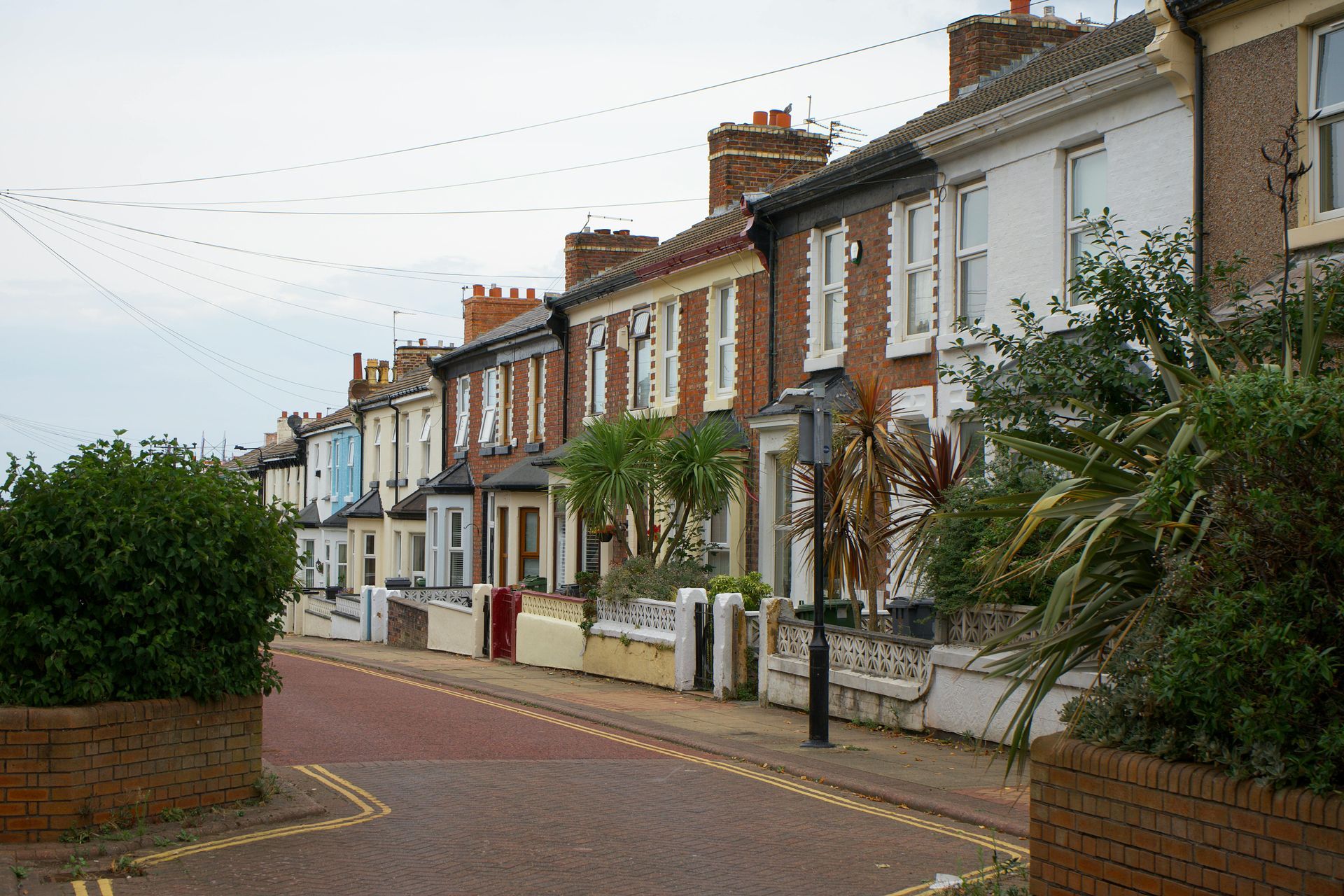
How Local Property Markets Influence Mortgage Decisions
Property Prices & Loan-to-Value (LTV)
Higher property prices increase risk exposure. In certain areas, lenders may:
- Reduce maximum LTV
- Require larger deposits
- Apply stricter affordability stress tests
Local Employment & Income Stability
Regions with stable employment sectors are considered lower risk.
Lenders review:
- Local unemployment rates
- Dominant industries
- Economic resilience
Regional Housing Demand & Market Liquidity
Areas with strong demand and quick resale potential are more attractive to lenders.
Conversely, areas with slower resale times may face:
- Conservative valuations
- Lower lending limits
Valuations and Down-Valuations
Local surveyors influence mortgage outcomes significantly. If a property is valued lower than the purchase price, borrowing is recalculated based on the lower figure.
Why Local Expertise Improves Outcomes
Mortgage advisers familiar with local markets can:
- Anticipate valuation risks
- Select lender-friendly postcodes
- Structure deposits and affordability strategically
FAQs
Does where I live really affect how much I can borrow?
Yes. Mortgage affordability in the UK is influenced by regional property prices, employment stability, and market liquidity.
Lenders assess not only your income, but also the risk profile of the location. Areas with high demand, stable employment, and strong resale values are generally viewed more favourably than regions with slower markets or declining prices.
This means two borrowers with identical incomes can receive different lending outcomes depending on location.
Why do some areas require larger deposits than others?
Deposit requirements vary because lenders assess the risk of negative equity.
In regions where property prices fluctuate more or resale demand is weaker, lenders may:
Reduce maximum loan-to-value
Require higher deposits
Apply stricter affordability stress tests
These measures protect lenders against potential market downturns.
What is a down-valuation and why does it happen?
A down-valuation occurs when the surveyor values a property lower than the agreed purchase price.
This often happens in areas where recent comparable sales do not support the price. When a down-valuation occurs, lenders base borrowing on the lower valuation, not the purchase price — increasing the deposit required.
Local market knowledge can help anticipate and mitigate this risk.
Do lenders treat cities and rural areas differently?
Yes. Urban areas with strong employment bases and high transaction volumes are often viewed as lower risk.
Rural or niche markets may experience:
Fewer comparable sales
Conservative valuations
Limited lender appetite
This does not prevent borrowing, but it does influence lender choice and affordability calculations.
How can local mortgage advice improve affordability outcomes?
Advisers with regional expertise can:
Identify lender-friendly postcodes
Anticipate valuation risks
Structure deposits strategically
This often results in smoother approvals and fewer last-minute surprises.